Showing posts with label ricotta. Show all posts

Wednesday, December 16, 2009

scallops with bacon

scallops_bacon.jpg


I'm scrounging. Sams Club sells huge scallops frozen in a bag so I buy 'em for pinch times like this. Frozen spinach because I had the foresight sometime back to pick up a few boxes. Just happened to have ricotta so used it. Otherwise I'd probably have used Parmigiano, possibly breadcrumbs. Who knows what. There were limes sitting on the counter too, could have used those. It's like that show Chopped where they provide three contestants with a basket of impossible ingredients and a ridiculously brief time constraint and expect them to wow the judges -- often with ingredients they never heard of like tamarind paste or sea asparagus.

the burned bit is brown sugar.

My tomatoes are wrinkly on one side and the onion I picked up was growing. Whenever something like that happens I'm tempted to put it in dirt and watch it.

Wednesday, February 25, 2009

ricotta II


This is the second batch of ricotta, in which I am quite proud, made from the the whey of the third batch of mozzarella, which is gone. The first batch of ricotta was used up in salads where it became coated and blended with the dressings and took up its flavor. I'm thinking of using this batch to stuff omelets, or to fill pasta ravioli with spinach, although I'm not feeling the urge for ravioli right now sufficient to justify the effort and the shamefully extravagant carbs of the pasta. There's a time for all that, but now is not the time.

I've been reading web pages on cheese making and watching YouTube videos. Turns out mozzarella is considered not all that easy to make. Funny, all this time I thought it was a beginner cheese. Silly me. But I'm feeling a strong urge to branch out to blues, cheddars, ard and bries. I think I know what's involved, but best to read a book first. So I ordered one and it should be here tomorrow. I think I can make my own molds. Why not? I made my own chocolate molds, and that's more artistic and a lot more involved.

The web sites seem perfectly willing to sell you things you don't need, presses, strainers, PH meters, infused cloths, draining mats, containers, thermometers, for example. If you think about it, all these cheeses were discovered by mistake, by necessity, and by the need to avoid wastage, basically, by abject poverty and desperate need. So I feel I'm in good company here. How's this? Cheese sites sell bacterial cultures to start the molds for specific blue cheeses. Fine. But, cheese producers sell it too in the form of finished cheeses. I can remove a portion of the mold from my favorite blue cheese and blend it with milk and use it to inoculate my own curd -- a savings of some $16.00 right there, plus I get to eat the cheese from which the sample was removed. Shirley, this was how it was done through the ages, no? And yes, I just called you Shirley.

Saturday, February 7, 2009

mozzarella to ricotta

Two quarts of non-homogenized milk was heated with citric acid and inoculated with rennet to produce a disappointingly small amount mozzarella cheese. The batch, if you can call it that, did not turn out all that great. It was not elastic, it was not firm, it tends to break apart, I suppose it tastes just fine.

That left behind a good deal of whey, distressing to waste. Whey has plenty of protein, minerals, and carbs and many uses so there's no point in spilling it out. It also contains the citric acid added from producing mozzarella.

Whey can be used for

* making bread, in place of water for better tasting, higher rising, with sturdier crumb
* baking biscuits, the acid replacing the acid in buttermilk to react with baking soda to create leavening
* making pancakes
* breakfast oatmeal to replace water
* soups
* salad dressings
* fortifying savory dishes, to deglaze pans replacing water, wine, or stock
* to water plants that thrive in acidic environments
* feed to pet dogs and cats, they love the stuff
* to make lemonade, some people swear by it

and

Ricotta cheese is traditionally made from the whey left over from producing mozzarella. Ricotta = re-cooked. Milk can be curdled by adding acid, as in making mozzarella, by heating, and by souring. Whey left over from mozzarella is already acidified and the curds already removed but there's still more milk solids in that whey, the initial curdling didn't get all of it, and now the whey is already acidified so it is left to set for a day while natural milk fermentation compounds get to work and over a period of a day alter the PH sufficiently so that the whey can be heated to produce a second round of curds. No rennet is used this time. The curds are drained, really seriously drained for a whole day, and the resulting dryer mass of curds is called ricotta. It's similar to cottage cheese except creamier.

Ricotta is generally not made this way any longer. This was a technique used by people of a more frugal economic era. Today commercial ricotta producers simply add acid to milk without rennet and go from there. Due to increased awareness of environmental and financial costs of whey disposal, new refinement techniques have been developed for manufacturers have found it profitable to process whey into high protein food products.

* protein powders
* baby formulas
* energy bars
* coatings on food as oxygen barriers
* glazes on candy
* oxygen barriers for plastics

So, the pictures below depict

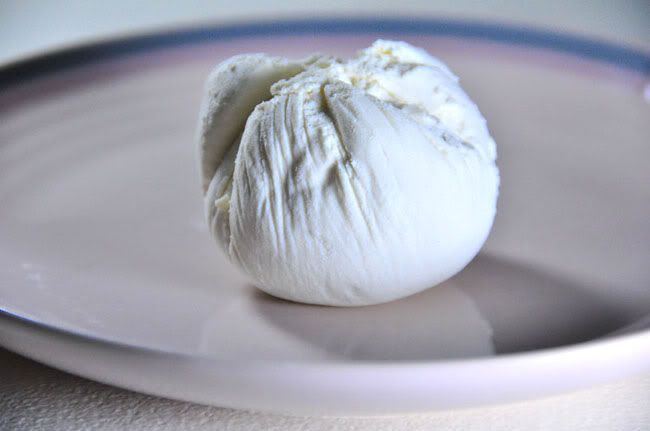
1) The original mozzarella. I know, it's small
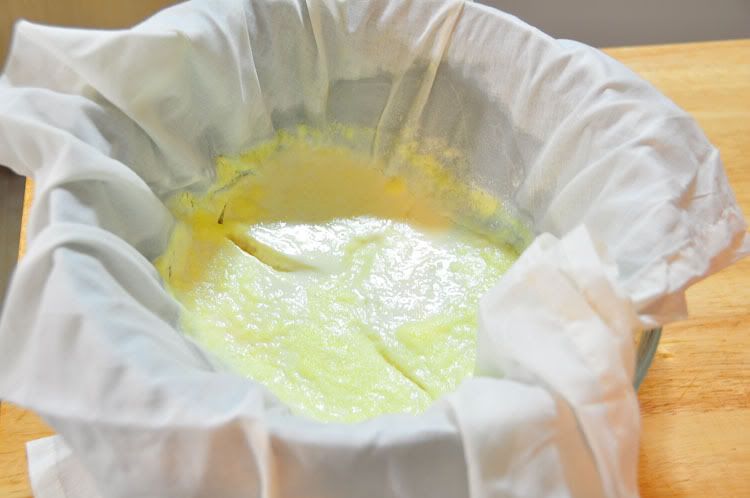
2) The curds from the heating of the aged whey the day after the mozzarella was made
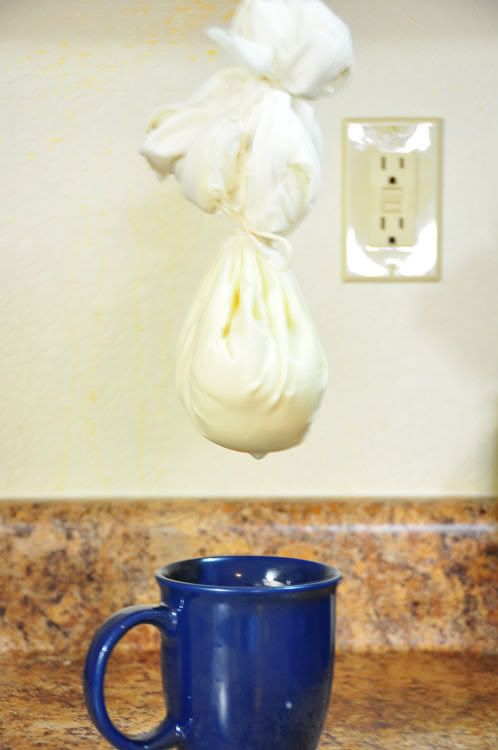
3) The curds tightened and suspended to remove as much whey from the ricotta as possible suspended like that for a full twenty-four hours.
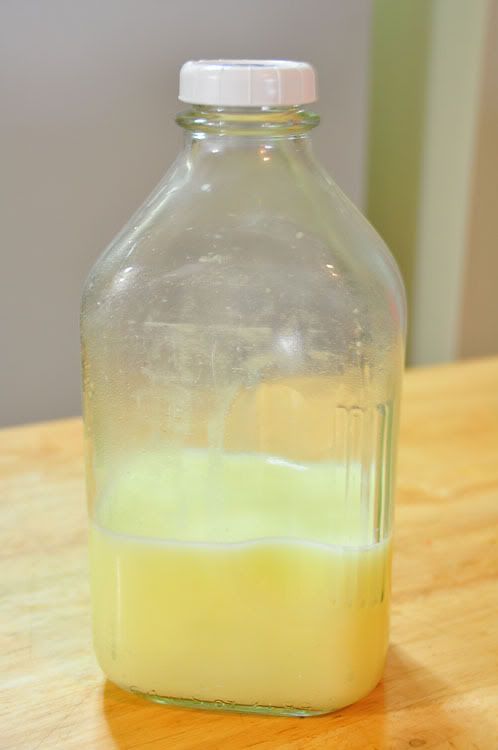
4) The whey from the ricotta. This whey had curds removed twice.
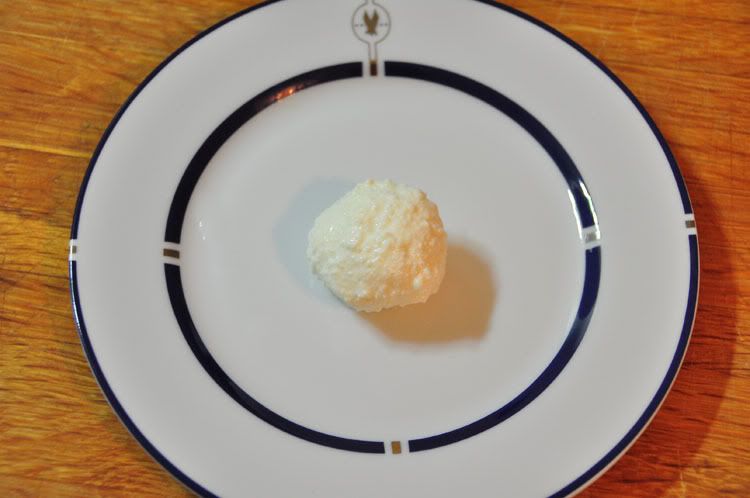
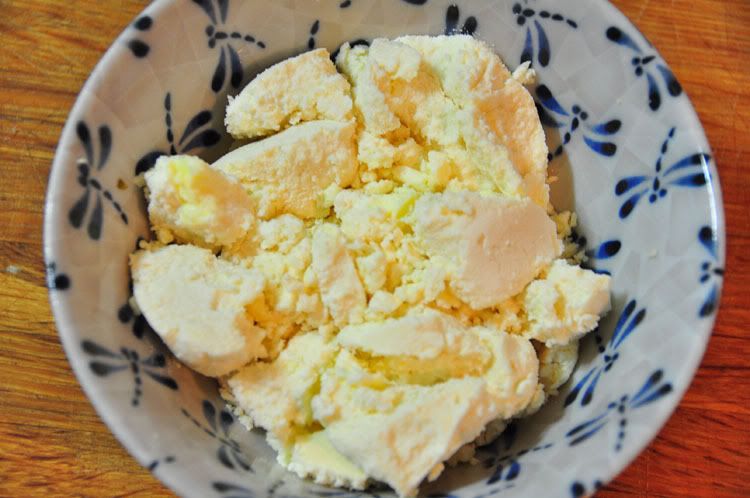
5) Finished ricotta.

mozzarella plated
beginning to strain the ricotta curds
whey suspended to drain
whey from ricotta
finished ricotta